





You rely on your car every single day, so unexpected repairs aren’t an option. With routine maintenance, you can drastically reduce the risk of major repairs, helping you save time and money.
Not sure where to start? Here are a few of our top Chevy vehicle maintenance tips to keep your car, truck, or SUV running smoothly!
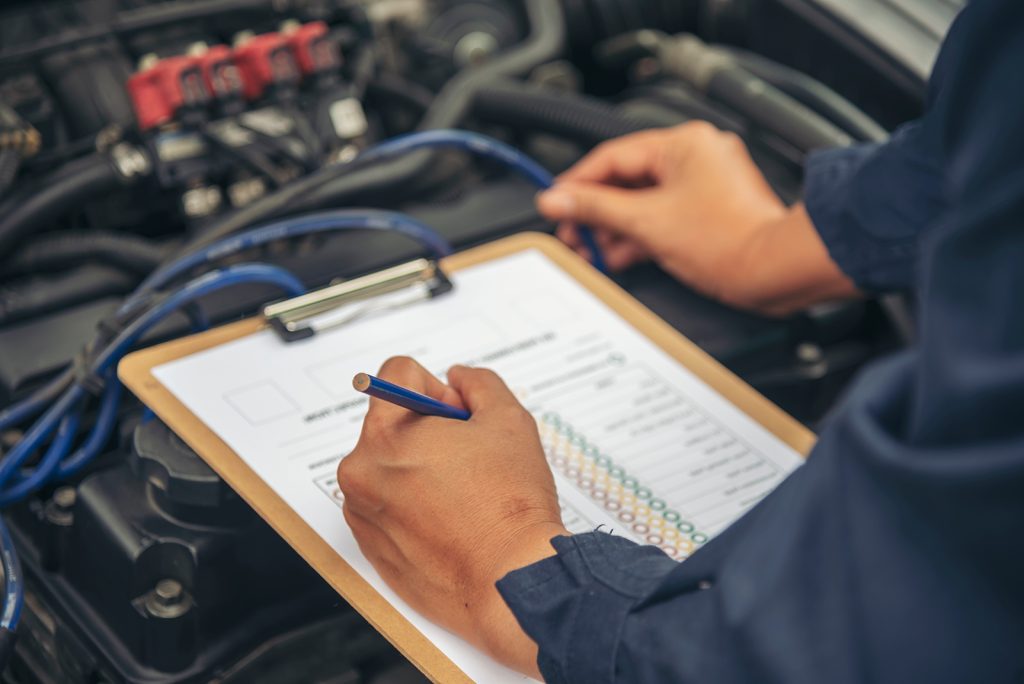
The Engine: Keep Your Chevy’s Heart Running Smoothly
As your car’s heart, it’s important to keep your engine running at its best. Engine repairs can be extremely expensive and are always inconvenient, so staying on top of maintenance can save you time and money.
Oil changes are one of the best ways to maintain your engine’s health. Getting an oil change every 5,000-7,000 miles ensures your engine and all moving components are properly lubricated with clean oil. Dirty or degraded oil doesn’t lubricate as well and leaves buildup in the engine, which can lead to major problems. Stay on top of your oil changes to extend your engine’s lifespan and reduce the risk of a major repair.
In addition to protecting your engine, regular oil changes improve your fuel economy and overall performance since your engine runs more efficiently. With these Chevy engine care tips, you can keep your vehicle running smoothly!
Brakes: Ensuring Safe and Effective Stopping Power
Your brakes allow you to stop safely, making them a vital part of your vehicle. Thankfully, issues with your brakes are relatively easy to spot.
One of the most obvious signs that your brakes need attention is noise. Squealing, grinding, or squeaking when you press the brake pedal all indicate that there’s a problem with your brakes. If you notice these sounds, it’s a good idea to bring your vehicle to your local Chevy service department for a brake inspection. Many times, fixing the issue is as simple as replacing the brake pads.
Another sign that your brakes need attention is a soft or spongy feeling when you press the pedal. This usually indicates a brake fluid leak. If you feel your brake pedal vibrating, it is most often due to warped rotors. Both of these issues severely impact your ability to brake safely and should be inspected as soon as possible.
Getting brake issues taken care of quickly ensures your vehicle remains safe to drive and prevents more serious damage and costly repairs.
Tires: Extending the Life of Your Chevy’s Grip on the Road
When it comes to keeping your vehicle moving, your tires are just as important as your engine. While replacing your tires isn’t as pricey as engine repair, it’s still costly and inconvenient. It’s not always possible to avoid a flat tire, but there are several things you can do to ensure your tires are in good shape.
Check your tires as soon as your tire pressure light comes on. This light typically indicates underinflation, which reduces your fuel efficiency and causes unnecessary wear on your tires. Inflating them to the proper PSI ensures safe driving and even wear. Your tire light will likely turn off when your tires are properly inflated, but it may be necessary to manually reset it. Consult your owner’s manual for instructions.
Keeping an eye on your tire pressure can help you avoid the tire pressure light altogether, though. Once a month, check your tire pressure and adjust it as necessary. Just make sure your tires are cold, meaning you haven’t driven for at least three hours before testing. You can find the right PSI on your vehicle’s side door frame and your owner’s manual.
Monitoring your tire wear is another great way to ensure your tires are safe. When the tire tread wears down too much, there’s not enough traction, and driving on slippery or wet roads becomes extremely dangerous.
The National Highway Safety Traffic Administration recommends replacing tires when the tread depth is 2/32 of an inch or less. You can check your tread with a tread-depth gauge, which is available at any auto parts store. You can also use a penny. Just place a penny with Lincoln’s head upside down. If you can see the top of his head, it’s time to replace your tires.
Other warning signs that it’s time for new tires:
- Three or more tread-wear indicators around the tire
- Tire cord or fabric showing through the tire
- Cracked tire tread or sidewall
- A bulge or split in the tire
- A puncture in the tire
If you need new tires or just want a professional to check the pressure, visit Burns Tire Shop!
Keep Your Chevy Running Like New With Burns Chevy Service Department!
As your local Chevy service department, we’re here to help keep your investment running like new. Whether you need routine maintenance, major repairs, or even tires, our team of Chevrolet mechanics can get the job done.
Explore our services and schedule your appointment online today! Need a quick oil change? Visit our Tire & Quick Service Center–no appointment necessary! And if you need parts, you can order directly from our Chevy parts department.
Connect with us


Recent Blog Entries
- Top 5 Features of the 2025 Chevy Equinox That Make it a Standout Choice
- Maximizing the Lifespan of Your Chevy: Maintenance Tips for Key Parts
- Top 5 Reasons to Choose a Chevy Truck for Your Next Adventure
- The 2025 Chevrolet Corvette ZR1: Exciting Updates
- Design Excellence: A Closer Look at the 2025 Chevy Malibu